Hello ladies and gents this is the Viking telling you that today we are talking about
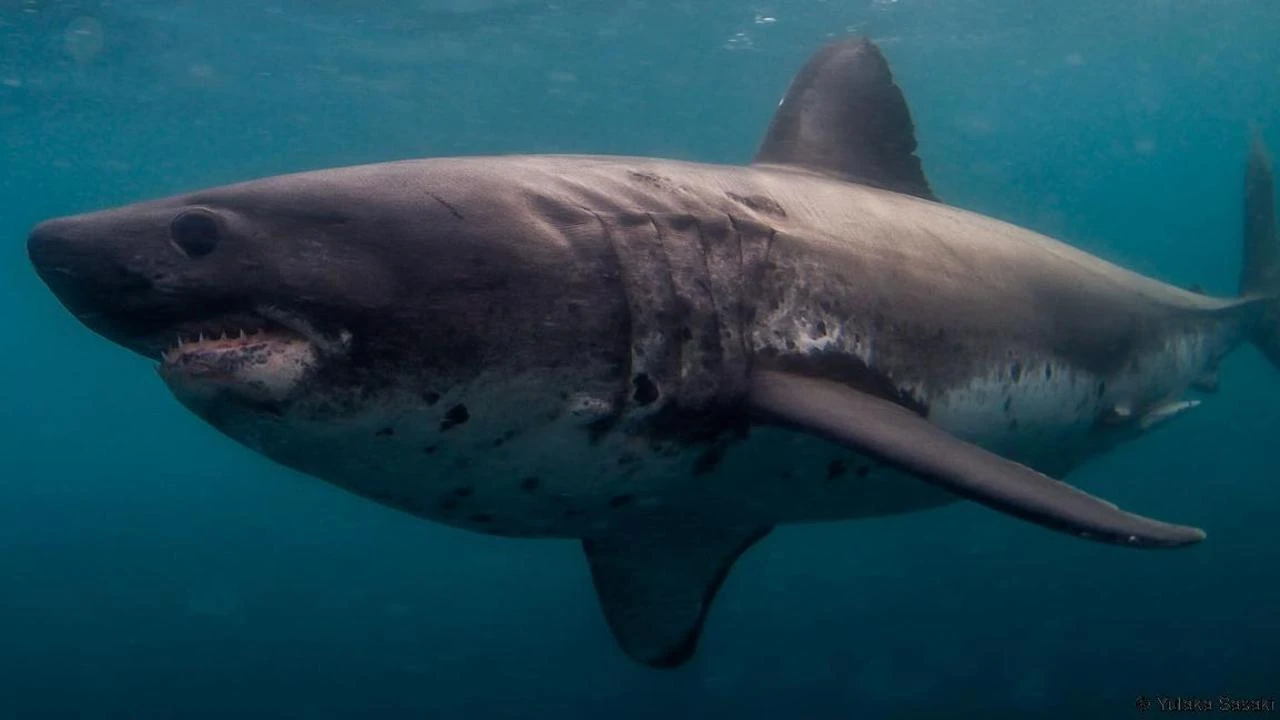
SALMON SHARK
The salmon shark (Lamna ditropis) is a species of mackerel shark found in the northern Pacific ocean. As an apex predator, the salmon shark feeds on salmon, squid, sablefish, and herring. They are known for their ability to maintain stomach temperature (homeothermy), which is unusual among fish. This shark has not been demonstrated to maintain a constant body temperature. The salmon shark is also known for an unexplained variability in the sex ratio between eastern and western populations in the northern Pacific.
Adult salmon sharks are medium grey to black over most of the body, with a white underside with darker blotches. Juveniles are similar in appearance, but generally lack blotches. The snout is short and cone-shaped, and the overall appearance is similar to a small great white shark. The eyes are positioned well forward, enabling binocular vision to accurately locate prey.
Salmon sharks generally grow to between 200 and 260 cm (6.6–8.6 ft) in length and weigh up to 220 kg (485 lb).[5] Males appear to reach a maximum size slightly smaller than females. Unconfirmed reports exist of salmon sharks reaching as much as 4.3 m (14.2 ft); however, the largest confirmed reports indicate a maximum total length of about 3.0 m (10 ft). The maximum reported weight of this heavily built shark is over 450 kg (992 lb).
Human interactions
Currently, no commercial fishery for salmon shark exists, but they are occasionally caught as bycatch in commercial salmon gillnet fisheries, where they are usually discarded. Commercial fisheries regard salmon sharks as nuisances since they can damage fishing gear and consume portions of the commercial catch. Fishermen deliberately injuring salmon sharks have been reported.
Sport fishermen fish for salmon sharks in Alaska. Alaskan fishing regulations limit the catch of salmon sharks to two per person per year. Sport fishermen are allowed one salmon shark per day from April 1 to March 31 in British Columbia.
The flesh of the fish is used for human consumption, and in the Japanese city of Kesennuma, Miyagi, the heart is considered a delicacy for use in sashimi.
Although salmon sharks are thought to be capable of injuring humans, few, if any, attacks on humans have been reported, but reports of divers encountering salmon sharks and salmon sharks bumping fishing vessels have been given.These reports, however, may need positive identification of the shark species involved.
Declines in the abundance of economically important king salmon in the 2000s may be attributed to increased predation by salmon sharks, based on remote temperature readings from tagged salmon that indicate they have been swallowed by sharks.
Comments
Post a Comment